

February Gardening Secrets for a Thriving Zone 6b Garden

February gardening often feels like a quiet pause. The soil is cold, garden beds look bare, and the landscape seems to rest. Yet, for gardeners in Zone 6b, especially in Penticton and the South Okanagan, this month is a crucial time to build a strong foundation for the growing season ahead. What happens now beneath the surface shapes the health and productivity of your garden for months to come.
This post shares practical steps for organic gardening in February. It covers soil regeneration, garden planning, pest prevention, and seed starting tips tailored to the unique climate of Zone 6b. Whether you practice small space gardening, raised bed gardening, or indoor gardening, these strategies will help you grow healthy plants and enjoy a more abundant harvest.

Why February Gardening Is Essential in Zone 6b
Many gardeners focus on spring planting and summer harvests, but February gardening sets the stage for success. The soil is still resting but receptive to organic soil preparation. Pest and disease cycles can be interrupted early, reducing problems later. Slow-growing plants benefit from an early start indoors or through winter sowing.
In Penticton and the South Okanagan, February’s mild days allow gardeners to work the soil and plan without rushing. Taking time now means less stress and more enjoyment during the busy growing months.
How to Regenerate Soil and Build Living Soil
Healthy soil creates healthy plants. Soil regeneration in February involves feeding the living soil ecosystem, which includes microorganisms, fungi, and beneficial insects. This process improves soil structure, nutrient availability, and water retention.
Steps for organic soil preparation:
Add compost and worm castings: Spread a layer of rich compost or worm castings on garden beds. These natural amendments boost microbial activity and provide essential nutrients.
Apply organic mulch: Use straw, leaves, or wood chips to protect soil from erosion and temperature swings.
Test soil pH and nutrients: Adjust soil pH if needed with lime or sulfur to suit your crops.
Practice crop rotation: Plan which crops will follow each other to prevent nutrient depletion and reduce pest buildup.
These actions support sustainable gardening by nurturing the soil’s natural balance and reducing the need for synthetic inputs.
Plan Your Garden Thoughtfully for the Season Ahead
February is the perfect time for garden planning. Thoughtful garden planning helps you avoid common mistakes like overcrowding or planting at the wrong time.
Tips for effective garden planning:
Map your garden layout: Include raised beds, containers, and indoor seed starting areas.
Choose cold hardy plants: Select varieties suited to Zone 6b’s climate, such as kale, spinach, and peas.
Schedule seed starting: Use seed starting tips to time indoor seed starting or winter sowing for a strong head start.
Incorporate small space gardening: Maximize your space with vertical supports, companion planting, and container gardening.
Planning now means you can start seeds indoors without pressure and prepare outdoor beds for planting as soon as the soil warms.

Prevent Pests Naturally with Organic Pest Control
Early pest prevention saves time and protects your plants. February gardening allows you to interrupt pest cycles before they begin.
Natural pest prevention strategies include:
Clean garden debris: Remove old plant material where pests and diseases can overwinter.
Encourage beneficial insects: Plant flowers that attract ladybugs and lacewings.
Use organic sprays: Apply neem oil or insecticidal soap if needed, following organic gardening guidelines.
Practice crop rotation: Rotate crops to reduce pest buildup in the soil.
These eco friendly gardening methods reduce chemical use and support a balanced garden ecosystem.
Start Seeds Indoors and Try Winter Sowing
Indoor gardening and seed starting in February give slow-growing plants a head start. This is especially useful in Zone 6b, where the outdoor growing season is moderate.
Seed starting tips for February:
Use quality seed starting mix and containers with good drainage.
Keep seedlings under grow lights or near bright windows.
Harden off seedlings gradually before transplanting outdoors.
Try winter sowing by planting seeds in cold frames or containers outside to germinate naturally.
These methods extend your growing season and improve plant survival.
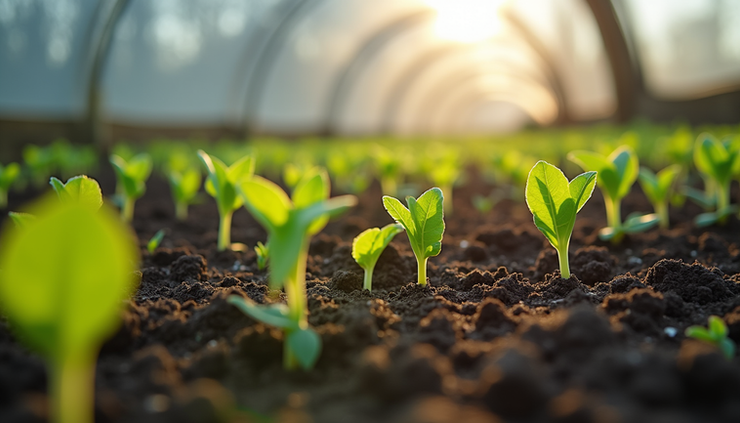
Embrace Slow Gardening and Seasonal Gardening Practices
February gardening is about patience and respect for natural rhythms. Slow gardening encourages you to work with the seasons, not against them.
Focus on garden preparation rather than rushing to plant.
Observe soil and weather conditions before making decisions.
Build healthy soil healthy plants through consistent care.
Use Bloomaceuticals or other organic soil amendments to support plant health naturally.
This approach leads to a more resilient garden and a satisfying home gardening experience.

Comments